You buy a pair of sneakers on the official website of the brand. Your neighbor buys the same model, but on a resale platform, three weeks after the release, at double the price. You both have the same product in hand. The transaction, however, is entirely different.
Tax on small packages: the customs shock reshaping resale in 2026
Since July 1, 2026, the European Union has removed the exemption from customs duties for e-commerce packages worth less than 150 euros. A flat tax of 3 euros per product category now applies to each shipment entering the EU.
A package containing textiles, a pair of shoes, and a tech accessory is therefore taxed 9 euros. The measure targets platforms like Shein, Temu, or AliExpress, but it also affects any reseller importing directly from Asia or other non-EU countries.
To understand the differences between retail and resale, this regulatory change is a good starting point: it rebalances the competition between European retailers (who were already paying customs duties and VAT) and resale models based on very low-cost imports.
The concrete result: the price advantage of mass import resale decreases significantly. Resellers who relied on margins driven by the absence of taxes see their model weakened. Traditional retailers, on the other hand, regain a slightly less unbalanced playing field.

Retail and resale: two circuits, two value logics
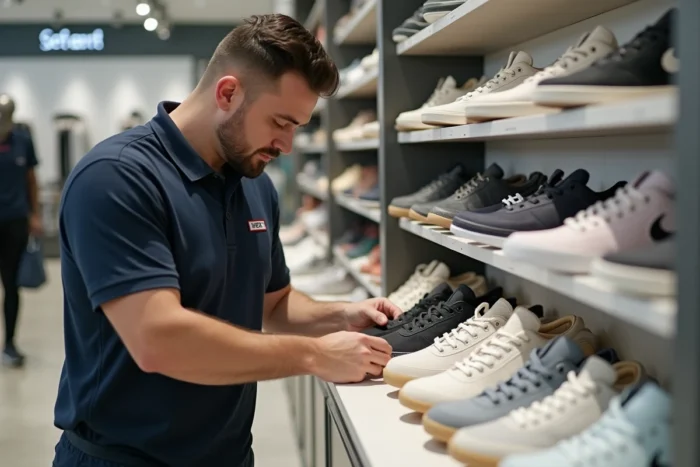
Retail is the direct sale of a new product to the end consumer. The brand or distributor sets the price, controls the stock, and oversees the shopping experience. Whether the transaction takes place in a physical store, on an e-commerce site, or via an app, the scheme remains the same: manufacturer, wholesaler, retailer, customer.
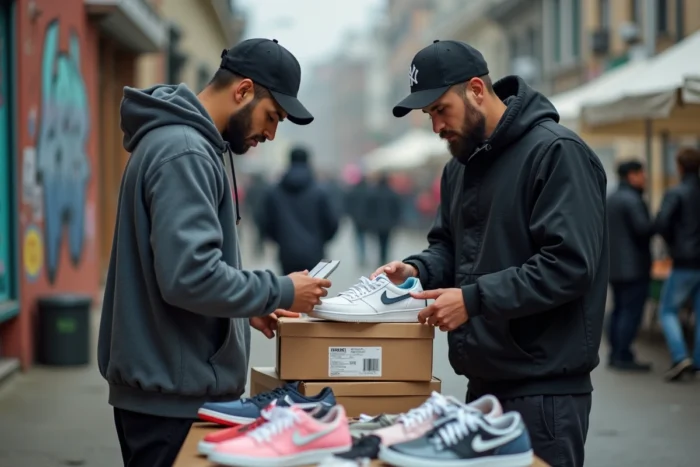
Resale works differently. An individual or a professional buys a product (new or used), then sells it to another consumer. The price is no longer set by the brand but by supply and demand. A limited edition sneaker can sell for several times its retail price just days after its release.
Two very different relationships to stock
In retail, stock is planned. Retailers anticipate demand, negotiate volumes with suppliers, and manage unsold items through sales or clearance. The financial risk is spread across a well-established supply chain.
In resale, stock relies on opportunism. The reseller buys what they think they can sell at a profit. They bear the risk alone if the product does not find a buyer. This functioning explains why resale thrives especially on products with high demand and limited supply.
The role of platforms
Marketplaces like StockX, Vinted, or Vestiaire Collective have structured resale by offering authenticity guarantees or rating systems. These platforms have transformed informal resale into an organized market, with its codes, price indices, and trends traceable in real-time.
Tax threshold of 3,000 euros: the boundary between amateur resale and commercial activity
You sell a few clothes on Vinted to declutter your closet. When do you transition from occasional selling to a taxable activity?
The EU has adopted a threshold of 3,000 euros in annual income below which individuals selling second-hand goods on platforms are not subject to automatic tax declaration obligations. Beyond this, the platform transmits sales data to the tax authorities of the relevant country.
This distinction has a direct consequence on the market:
- Occasional sellers (decluttering, one-off resale) remain within a simple framework, without heavy formalities.
- Regular resellers who exceed this threshold must declare their income and potentially register as professionals.
- Retailers, on the other hand, already operate within a complete tax framework (VAT, corporate tax, periodic declarations).
This threshold draws a clear line. It separates amateur resale, tolerated as a consumption practice, from professional resale, which resembles a commercial activity with the same obligations as retail.
Market impact: complementarity rather than direct opposition
Presenting retail and resale as two rival camps would be reductive. In practice, resale extends the commercial lifespan of a product that retail first brought to market.
A fashion brand launches a collection. Retail sells the initial stock. Resale takes over on sold-out pieces, limited editions, or unsold items recovered at the end of the season. The two circuits feed off each other.
Where the tension exists
The conflict arises when resale captures value before retail has had a chance to serve its customers. On certain sneaker or tech product releases, automated bots buy up the stock in seconds to resell it at an immediate markup. The end consumer faces inflated prices without having had access to the retail price.
Several brands have responded by limiting quantities per order, imposing lotteries, or reserving certain releases for their loyal members. Retail is trying to regain control of its distribution against speculative resale.
The case of second-hand
The resale of second-hand products follows a different logic. It does not compete directly with retail since it concerns goods that have already left the initial sales circuit. Second-hand platforms like Vinted or Vestiaire Collective function more as an extension of the product lifecycle than as competitors to retailers.
- Retail sells new products, sets prices, and controls the chain.
- Speculative resale captures rarity and creates a parallel market for new items.
- Second-hand resale extends the lifespan of products and reaches an audience sensitive to price or environmental impact.
The new European customs tax and the tax threshold of 3,000 euros are reshaping the contours of these two markets. Low-cost import resale loses its price advantage. Amateur resale remains protected under a certain volume. Retail, meanwhile, retains the advantage of traceability and guarantee, two elements that consumers increasingly value when price alone is no longer enough to make a difference.